Christmas &
Winter Season

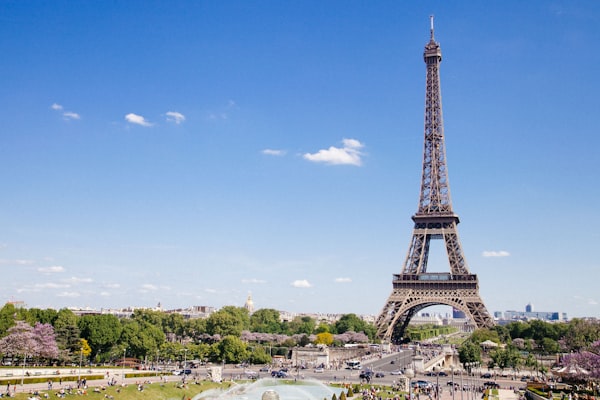
Snow-dusted iron, golden lights reflected on the Seine, mulled wine in hand. The Eiffel Tower transforms into something truly magical when winter arrives in Paris.

The Magic of the
Eiffel Tower in Winter

Eiffel Tower in winter atmosphere with moody Parisian skies
Winter Highlight

A Different Tower Entirely

There is a reason seasoned Paris travelers prefer winter. The crisp air sharpens every detail of the iron lattice. Crowds thin dramatically compared to summer, and the early darkness means you get hours of the famous golden illumination that makes the tower glow against the night sky. From late November through February, the Eiffel Tower takes on a character that postcards cannot capture: the cold breath of visitors rising into floodlights, the quiet crunch of frost underfoot on the esplanade, and the warm amber glow of nearby cafés inviting you in from the chill.

Average Temperature 2–8°C (36–46°F)
Crowd Level 30–50% lower than summer
Illumination Hours 5:00 PM – 11:45 PM
Why locals love it: Parisians themselves visit the tower area more in winter, when the tourist crowds recede and the Champ de Mars feels like it belongs to the city again.
Christmas decorations and lights near the Eiffel Tower
Nov–Dec

Christmas Season

From late November through the end of December, the Eiffel Tower district transforms into a winter wonderland. The Trocadéro Christmas market (Marché de Noël du Trocadéro) spreads across the plaza directly facing the tower, with dozens of wooden chalets selling artisan crafts, foie gras, roasted chestnuts, and steaming cups of vin chaud (mulled wine). The tower itself receives special festive illuminations, and the surrounding streets are draped in holiday lights. Combined with the early sunset around 4:50 PM, you can enjoy the full spectacle of the illuminated tower while browsing the market stalls.

Market Dates Late Nov – early Jan
Best Time to Visit Late afternoon into evening
Crowd Warning Dec 20–Jan 2 is busiest
New Year's Eve celebrations at the Eiffel Tower with lights
Iconic Event

New Year’s Eve

The Eiffel Tower is the undisputed centerpiece of Paris on New Year’s Eve. A spectacular light show and fireworks display illuminate the tower at midnight, visible from across the city. Hundreds of thousands gather along the Champ de Mars, at Trocadéro, and on the bridges spanning the Seine. The atmosphere is electric, with champagne corks popping and cheers echoing across the river. Note that the tower typically closes to visitors early on December 31 and reopens on January 1.

Best Viewing Spot Trocadéro esplanade
Arrive By 8:00–9:00 PM latest
Metro Tip Lines close late; expect crowds

How to Plan Your
Winter Visit

Winter rewards the prepared traveler. Follow these steps for the best cold-weather Eiffel Tower experience.

01

Layer Up Properly

Wind chill at the summit can make temperatures feel 5–10°C colder than ground level. Wear a thermal base layer, insulating fleece, and a windproof outer shell. Touchscreen gloves are essential for photography without frozen fingers.

02

Book for Late Afternoon

With sunset around 5:00 PM in December, a 4:00–4:30 PM time slot lets you see the tower in daylight, at golden hour, and fully illuminated—three experiences in one visit. Queues are also shorter than morning.

03

Warm Up on the First Floor

The first floor has enclosed, heated areas and the winter bar. Plan to spend time here warming up between the outdoor viewing platforms. Hot chocolate and vin chaud are available from the seasonal stands.

04

Combine with Markets

Visit the Trocadéro Christmas market before or after your tower visit. The market view of the illuminated tower from across the Seine is arguably the best free view in all of Paris during winter.

Ice Skating Rink &
Winter Activities

Eiffel Tower first floor ice skating rink in winter
Seasonal

Ice Skating on the First Floor

When available, the Eiffel Tower features a seasonal ice skating rink on the first floor, perched 57 meters above the ground. This is one of the most unique skating experiences in the world: gliding across ice with panoramic views of the Champ de Mars, the Seine, and the Parisian rooftops below. The rink is typically open from mid-December through late February, and skating is included with your tower admission ticket. Skate rentals are available on-site at no extra cost. The rink is modest in size, so expect a cozy, intimate experience rather than wide-open laps. Evenings are particularly special when the city lights spread out below you.

Typical Season Mid-Dec – late Feb
Cost Included with tower ticket
Skate Rental Free, available on-site
Important: The ice rink availability varies year to year. Check the official Eiffel Tower website before your visit to confirm whether the rink is operating for the current season.
Nearby winter activities and Christmas markets near the Eiffel Tower

Nearby Winter Activities

The 7th arrondissement and surrounding areas offer plenty of ways to extend your winter Eiffel Tower experience. The Trocadéro Christmas village features artisan gifts and regional foods. Rue Cler, a charming market street just minutes away, has bakeries and fromageries perfect for picking up warm provisions. For hot chocolate, Café Carlu at the Palais de Chaillot offers stunning tower views from inside a heated terrace. The Musée du Quai Branly, steps from the tower, provides a warm cultural retreat on especially cold days.

Top Pick Trocadéro market at dusk
Warm-Up Spot Musée du Quai Branly
Best Hot Chocolate Café Carlu terrace
Valentine's Day at the Eiffel Tower in February
Romance

Valentine’s Day at the Tower

February 14 at the Eiffel Tower is one of the most romantic experiences in the world. The tower occasionally features special Valentine’s Day programming, including themed dinners at Le Jules Verne restaurant on the second floor and extended illumination schedules. The winter chill makes the experience surprisingly intimate: couples huddle close on the viewing platforms, sharing warmth and champagne as the lights of Paris stretch to the horizon. Book summit tickets well in advance, as Valentine’s week sells out faster than any period except New Year’s.

Book Ahead 60 days minimum
Dinner at Le Jules Verne Reserve 2–3 months early
Best Time Sunset slot (5:30–6:00 PM)

Winter Weather Guide &
Photography Tips

Cold weather creates the most dramatic photographs. Here is what to expect and how to capture it.

01

Temperature & Wind Chill

Ground-level temperatures range from 2–8°C (36–46°F) in December through February. At the summit (276m), wind chill can drop the perceived temperature to −5°C or below. January is the coldest month, with occasional dips below freezing.

02

Rain & Snow

Paris averages 10–12 rainy days per winter month. Snow is less common but can occur between December and March, with January and February being the most likely months. A light dusting on the tower creates once-in-a-lifetime photos.

03

Snow Photography

When snow arrives, head to Trocadéro at dawn for the tower framed in white. Keep batteries warm in an inner pocket, as cold drains them quickly. Use a slightly higher exposure compensation (+0.5 to +1.0) to prevent grey-looking snow.

04

Moody Atmosphere Shots

Overcast winter skies create dramatic, moody compositions. Use the low cloud cover to your advantage: the tower disappearing into fog is one of the most sought-after shots. Early morning mist along the Seine adds a painterly quality to your images.

Winter Season
Calendar Guide

Early Winter

November

November marks the transition into winter. Temperatures range from 5–11°C, and the autumn foliage around the Champ de Mars is still lingering. The Trocadéro Christmas market opens in late November, bringing the first wave of festive energy. This is one of the quietest months to visit the tower, with minimal queues and easy ticket availability. Sunset drops to around 5:00 PM by month’s end, giving you extended evening illumination viewing. Rain is common, so pack a compact umbrella.

Avg Temp 5–11°C (41–52°F)
Crowds Low
Highlight Markets open, fall foliage
Peak Festive

December

December is the quintessential Eiffel Tower Christmas experience. The tower sparkles against the early darkness (sunset at 4:50 PM), Christmas markets are in full swing, and the streets of Paris are draped in holiday lights. Temperatures range from 3–8°C. The first three weeks of December offer a sweet spot of festive atmosphere without the extreme crowds of the school holiday period. From December 20 onward, expect significantly larger crowds as Parisians and visitors converge for the holidays. New Year’s Eve brings the biggest crowds of the winter season.

Avg Temp 3–8°C (37–46°F)
Crowds Moderate to High
Highlight Christmas markets, NYE
Best Value

January

January is the coldest month in Paris (2–7°C average) and arguably the best time to visit the Eiffel Tower if you want minimal crowds. After the holiday rush clears in the first week, January offers the shortest queues of the entire year. Hotel prices drop significantly, and the winter sales (les soldes d’hiver) running from early January through February make this an excellent budget choice. Snow is most likely in late January, offering the rare chance to see the tower dusted in white. The ice skating rink on the first floor is typically in full operation.

Avg Temp 2–7°C (36–45°F)
Crowds Very Low
Highlight Lowest crowds, best prices
Romance

February

February brings Valentine’s Day, making the Eiffel Tower one of the most romantic destinations on earth around the 14th. Temperatures start to warm slightly (3–9°C), and daylight hours increase noticeably by the end of the month. The ice skating rink is still operational, and the French school holidays (les vacances d’hiver) can bring a moderate increase in domestic visitors for two weeks mid-month. Snow is still possible, and the first hints of spring blossoms may appear on the Champ de Mars by late February in mild years.

Avg Temp 3–9°C (37–48°F)
Crowds Low to Moderate
Highlight Valentine’s Day, ice skating
Transition

March

March is the bridge between winter and spring. Early March still feels decidedly wintry (5–12°C), but by the end of the month, spring is unmistakable. Cherry blossoms may begin appearing around the Champ de Mars, and daylight stretches to 7:00 PM after the clocks change. Crowds remain manageable compared to summer, though they start to build from mid-March onward. This is an excellent month for those who want the quieter experience of winter without the harshest cold. The seasonal ice rink has typically closed, but the terraces and outdoor viewing are increasingly pleasant.

Avg Temp 5–12°C (41–54°F)
Crowds Low to Moderate
Highlight Early blossoms, longer days

Why Winter Is Actually
the Best Time to Visit

Most guidebooks push summer. Here is why experienced travelers choose the cold months instead.

01

Dramatically Shorter Queues

Summer queues regularly exceed 90 minutes. In January and February, you can often walk up to the stairs entrance in under 15 minutes. Even elevator queues rarely exceed 30 minutes outside of the holiday period.

02

Lower Prices Everywhere

Hotels in the 7th arrondissement drop 30–50% in January and February compared to July. Flights to Paris are similarly discounted. Tower ticket prices remain the same, but the overall trip cost is significantly lower.

03

More Illumination Time

With sunset as early as 4:50 PM in December, you get nearly seven hours of the tower illuminated versus barely two hours in June. The sparkling display on the hour is visible for far longer, making evening photography spectacular.

04

Magical Atmosphere

The combination of cold air, golden lights, Christmas markets, and the scent of roasted chestnuts creates an atmosphere that summer simply cannot match. This is Paris at its most romantic and cinematic.

Winter Essentials &
Seasonal Details

Winter Opening Hours

September 2 to June 12: 9:30 – 23:45 (last admission 22:30 for summit, 23:00 for floors)

Stairs: Close at 18:00 during winter months. Plan your stair access accordingly.

Special closures: The tower may close early on December 31 for NYE preparations and during severe weather (high winds, ice).

What to Wear

Base layer: Thermal top and leggings or warm trousers.

Mid layer: Fleece or wool sweater for insulation.

Outer layer: Windproof, water-resistant jacket. The summit is extremely exposed to wind.

Accessories: Touchscreen gloves, warm hat, scarf, and waterproof shoes with good grip. Consider disposable hand warmers for summit visits.

Wind Chill Warning

The summit sits at 276 meters with no wind protection. Even moderate winds create a significant chill factor. If the ground temperature is 5°C, expect it to feel like −2°C to −5°C at the top. The tower may close the summit during high wind conditions (typically above 80 km/h). In such cases, tickets are valid for the 2nd floor only.

Rain & Wet Weather

Paris averages 10–12 rainy days per month in winter. The viewing platforms are open-air and exposed. Bring a compact umbrella and waterproof phone case. Wet metal surfaces on the stairs can be slippery, so wear shoes with good traction. Rainy evenings create beautiful reflections of the tower lights on wet pavement, perfect for photography.

Warming Spots Inside the Tower

First floor: Enclosed glass pavilion with heating, seasonal bar, and exhibition space. The perfect retreat when the cold becomes too much.

Second floor: Le Jules Verne restaurant (reservations required) and the Michelin-starred dining experience offers a warm, elegant escape with views.

Gift shops: Located on both floors, they provide a brief respite from the wind and cold.

Winter Photography Tips

Batteries: Cold weather drains batteries fast. Carry spares in an inside pocket close to your body.

Condensation: Moving between cold outdoor air and warm indoor spaces causes lens fogging. Let your camera adjust gradually or keep it in a sealed bag during transitions.

Gloves: Touchscreen-compatible gloves are essential. Consider fingerless glove liners under mittens for the best of both worlds.

Winter Visit
FAQ

Is the Eiffel Tower open on Christmas Day?

Yes, the Eiffel Tower is open on December 25, though hours may be slightly reduced. Expect larger crowds in the late morning and afternoon as families visit after Christmas morning. Pre-booked tickets are strongly recommended, as on-site availability is very limited during the holiday period.

Does it snow at the Eiffel Tower?

Paris receives snow on average 10–15 days per winter, most commonly in January and February. Heavy snowfall that blankets the tower is rare, occurring only a few times each winter. When it does happen, the iron lattice dusted in white is one of the most iconic sights in the world. Follow Paris weather forecasts closely if snow photography is your goal.

Can I see NYE fireworks from the tower?

The Eiffel Tower itself is the centerpiece of the celebration, with fireworks launched from the structure. You will get a better experience watching from Trocadéro, Champ de Mars, or Pont d’Iéna. The tower typically closes to visitors early on December 31 and reopens January 1.

Is there ice skating at the Eiffel Tower?

The Eiffel Tower has historically featured a seasonal rink on the first floor (57m up), typically running from mid-December through February. Skating is included with your tower ticket, and skate rentals are free. Check the official website before your trip, as the rink availability varies from year to year.

What if the summit closes due to wind?

High wind conditions (typically above 80 km/h) can force the summit to close temporarily. In these cases, summit ticket holders can access the 1st and 2nd floors instead. Refund or rescheduling policies vary, so check with the ticket office on arrival. The lower floors remain open in most conditions.

Are Christmas markets free to enter?

Yes, the Trocadéro Christmas market and other Parisian Christmas markets are free to enter and browse. You only pay for food, drinks, and purchases from the vendor stalls. Vin chaud (mulled wine) typically costs €4–6, and artisan food items range from €5–15. The markets are open daily from late morning until late evening.